The most expensive habit in most agentic setups is trusting one model to do the whole job. You hand it a hard task, it returns a confident answer, and you spend the afternoon checking whether the confidence was earned. One model, working alone, is a narrator. It cannot reliably tell you when it is wrong.
The systems doing serious work have stopped relying on a single mind. They use a swarm: many agents, divided into roles, checked by something they cannot talk their way past. That is the shift from a clever assistant to a system you can actually run.
One plans. Many work.
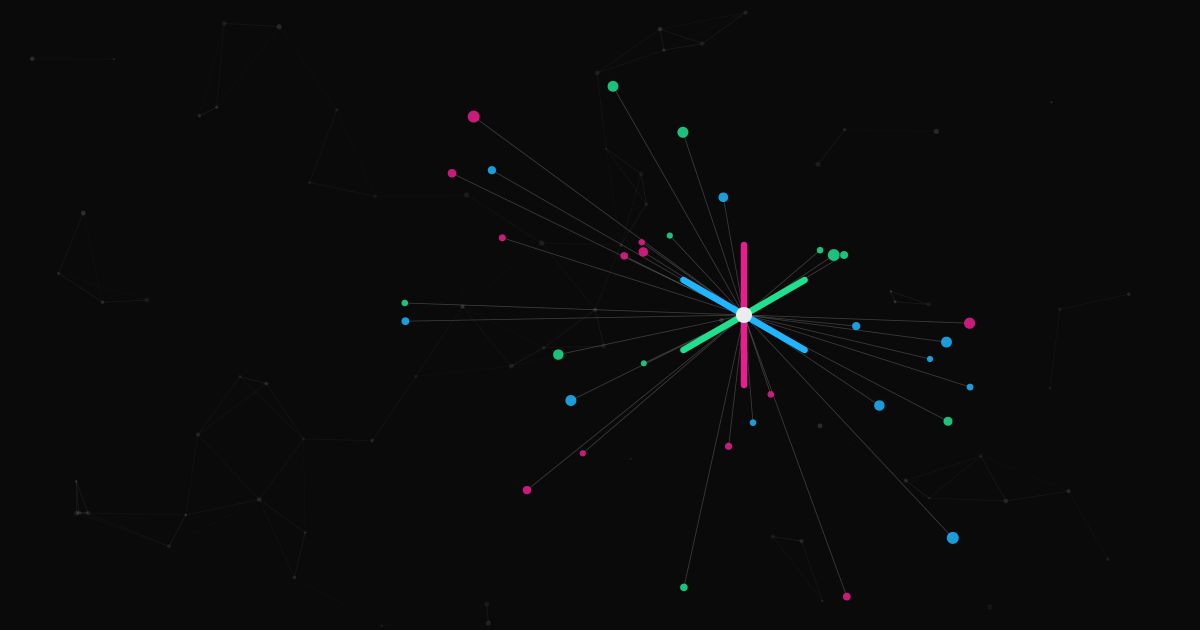
The dominant shape is the orchestrator-worker pattern. A lead agent reads the task, breaks it into parts, and spawns parallel workers — each with its own context and a self-contained job. The lead reconciles what comes back. Anthropic documented this in its own research system, where a multi-agent setup beat a single strong agent by 90.2% on its internal evaluation, with the largest gains on broad questions that reward chasing several leads at once.
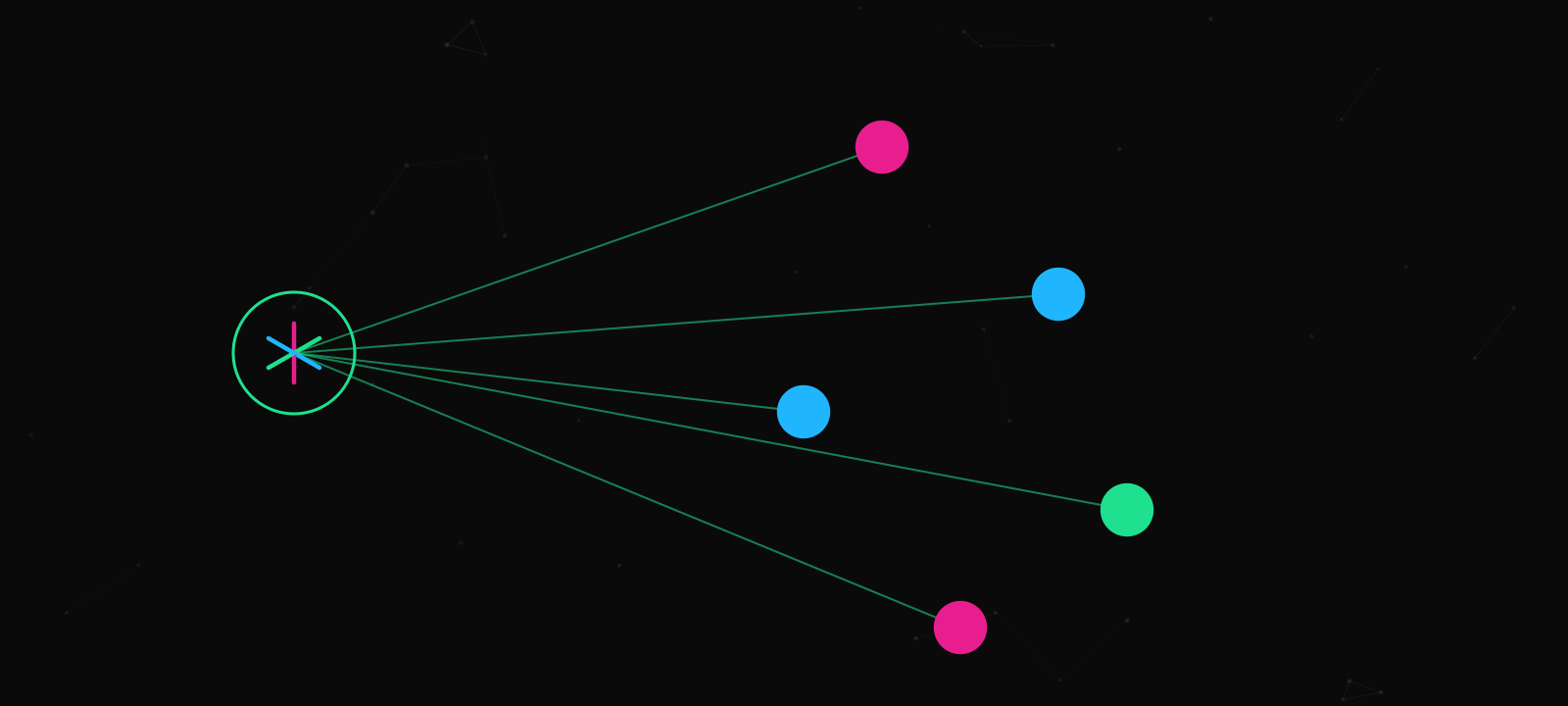
The point is not "more agents." It is separation. Five agents each holding one clean problem out-think one agent holding five. This is the shape of our system and its named agents.
The model proposes. Something honest decides.
A swarm is only as good as its judge. The breakthrough pattern in the research — DeepMind's FunSearch, then AlphaEvolve — is that the model is allowed to be wrong because a trusted, deterministic evaluator, not the model, decides what is true. The model proposes candidates cheaply; the evaluator discards the ones that do not actually work. That is how those systems made real discoveries instead of confident guesses.
It is also why a serious swarm runs a critic — a role whose only job is to attack the output and find the answer that satisfies the metric while failing the brand. Without one, a crowd of agents learns to look right rather than be right. Our posture keeps that judgment human: the system drafts inside the rules, a person approves what ships.
A swarm is a cost decision.
The catch sits in the same research. That 90.2% came at roughly fifteen times the tokens of a single chat, and token use explained most of the performance difference. A swarm is not free intelligence — it is a trade. So the real skill is routing: reserve the crowd for broad, high-value work where many directions pay off, and send the simple, single-thread jobs to one agent.
That is how we run our thirteen-agent system. An orchestrator delegates; trusted checks and read-only data decide; a critic attacks; a person holds the gate; and model-agnostic routing keeps the bill honest — three to five times the throughput in ninety days, on under fifty dollars of model spend. Not more agents. The right ones, in the right shape.
If your "AI" is still one model guessing, book the 30-minute strategy blueprint call and we will map where a swarm earns its keep: book a slot.
